Vitamin D is the only vitamin your body can make for itself, as long as there's enough sunshine on your skin. That's why it's called the sunshine vitamin. And it's why, in the UK, it's a bit of a problem.
What does vitamin D do?
Vitamin D contributes to:
- the normal function of the immune system
- the maintenance of normal bones and teeth
- the maintenance of normal muscle function
- normal absorption and use of calcium and phosphorus
Pretty important for one little vitamin.
Why the UK runs short
From late March to the end of September, most of us can make enough vitamin D from sunlight on our skin. From October to March, UK sunshine isn't strong enough. Food helps a little (oily fish, egg yolks, red meat and fortified foods), but it's hard to get enough from diet alone.
That's why the NHS advises everyone to consider 10 micrograms of vitamin D a day in autumn and winter. Some people are advised to take it all year round, including anyone who isn't often outdoors, usually wears clothes that cover most of their skin, or has dark skin.
Which supplement is best?
The honest answer: the one you'll actually remember. Capsules are fine, if you remember them. Lots of us don't.

A daily D you'll look forward to
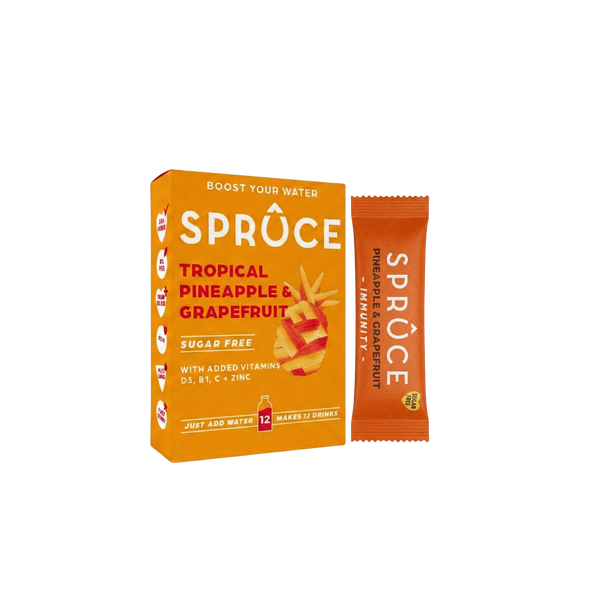
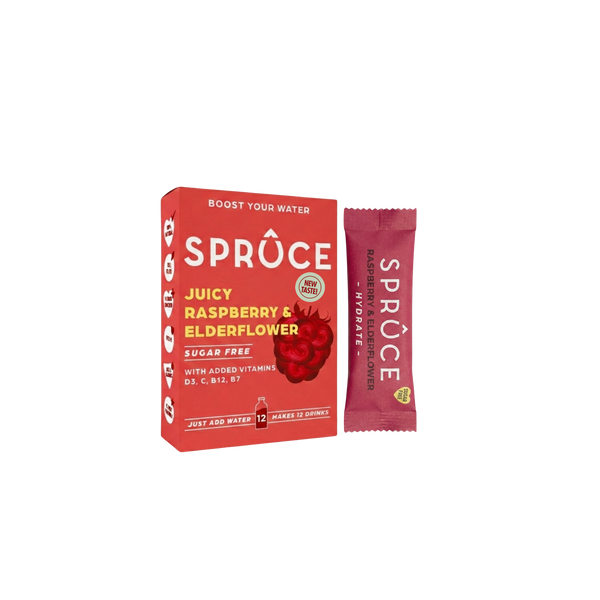
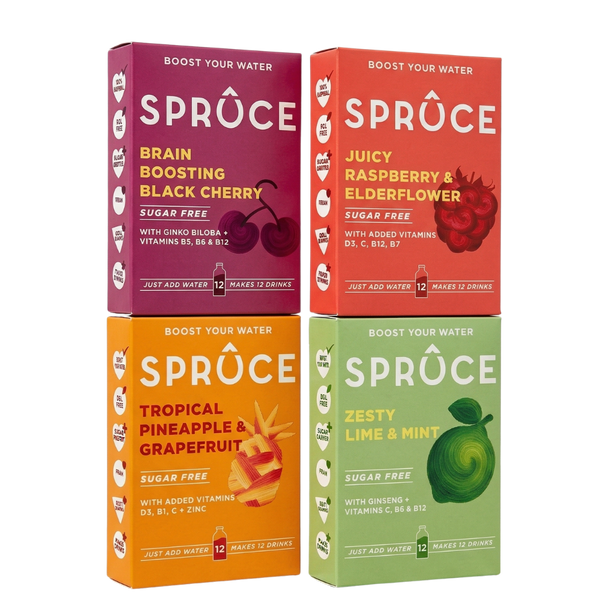
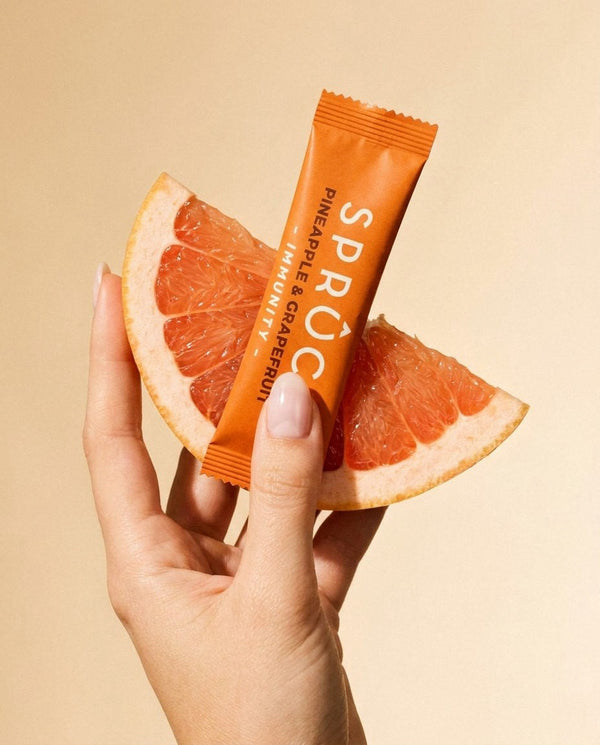
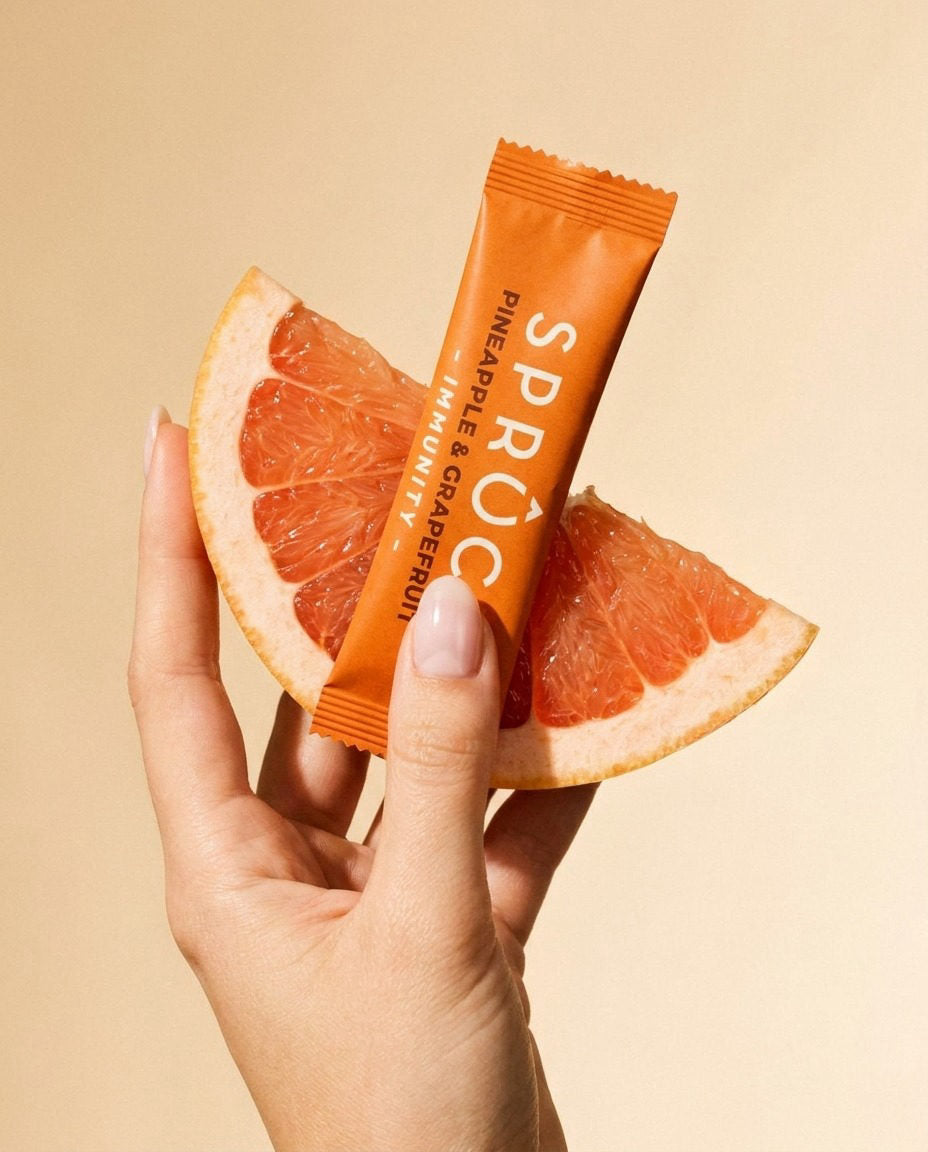
That's the idea behind Spruce Vitamin D + C: tear, tip, top up with water. Your daily D, sorted, and a glass of water ticked off while you're at it.
Food supplements should not replace a varied, balanced diet and a healthy lifestyle. If you take other vitamin D supplements, check the total with your pharmacist.